
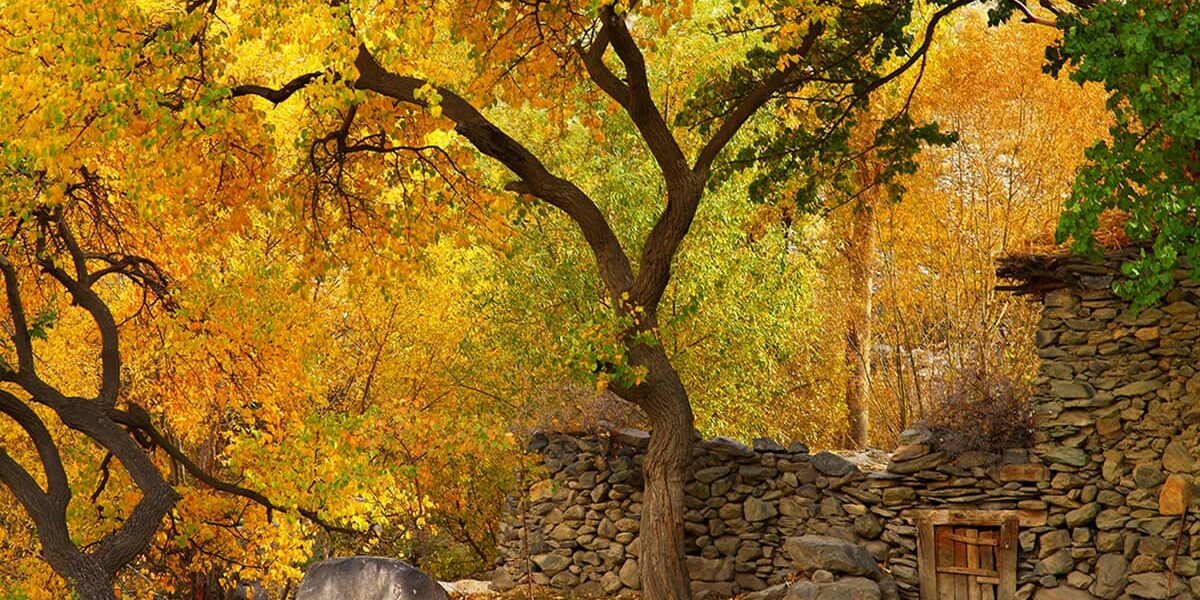
Autumn in Gilgit Baltistan is a breathtaking spectacle that transforms this mountainous region into a vibrant canvas of fiery reds, golden yellows, and warm oranges. From mid-September through November, the valleys and slopes of Gilgit Baltistan, including the famous Hunza, Nagar, and Skardu districts, burst into color as apricot, apple, mulberry, peach, and plum trees shed their leaves in a dazzling display. This season offers a unique blend of crisp, cool mornings and warm afternoons, creating perfect conditions for outdoor adventures and photography. For travelers from Japan, Thailand, and South Asia seeking a serene yet visually stunning escape, autumn in Gilgit Baltistan is an unparalleled experience.
.
-
The Hunza Valley: Heaven on Earth in Golden Hues
The Hunza Valley, often called “Heaven on Earth,” is the crown jewel of Gilgit Baltistan during autumn. Visitors can witness the orchards turning into a riot of colors, with hues ranging from deep rust to bright amber. Iconic peaks such as Rakaposhi (7,788m), Ultar Sar (7,388m), and Nanga Parbat (8,126m) provide a majestic backdrop to this natural spectacle. Japanese and Thai tourists, who appreciate harmony with nature and seasonal beauty, will find the autumnal landscapes reminiscent of their own cultural reverence for changing seasons, making Hunza a deeply resonant destination. The valley’s terraced orchards create a patchwork of warm tones that photographers and nature enthusiasts describe as truly magical.
For nature lovers and adventure seekers, autumn offers ideal weather for trekking and hiking. Trails around Fairy Meadows, Passu Glacier, and Hopper Valley reveal spectacular fall foliage alongside towering peaks and glaciers. The Karakoram Highway, known as the ancient Silk Road, winds through colorful villages such as Gulmit, Ghulkin, and Karimabad, offering stunning photo opportunities and cultural encounters. Japanese and Thai travelers who enjoy immersive nature treks will find these routes both accessible and rewarding, with moderate difficulty levels and breathtaking views at every turn.
Skardu Valley: Turquoise Lakes and Golden Landscapes
Skardu Valley, another gem of Gilgit Baltistan, showcases a different but equally mesmerizing autumn palette. The golden and orange leaves contrast beautifully with turquoise lakes like Satpara and Upper Kachura, and the rugged, snow-capped mountains surrounding the valley. The Khaplu and Hushe valleys nearby also offer peaceful retreats with spectacular fall colors and historic sites such as Shigar Fort. This region’s tranquil beauty appeals to South Asian travelers looking for a blend of nature, history, and quiet reflection. The unique geological formations and pristine alpine environment create a landscape unlike anywhere else in the region.
Planning a trip to Gilgit Baltistan in autumn requires some preparation to maximize your experience. The best time to visit is from mid-October to mid-November when the colors peak and the weather is stable. Layered clothing is essential due to chilly mornings and evenings, while daytime temperatures remain comfortable. Booking accommodations early is recommended, as autumn is a popular season for tourists worldwide. Many tour operators offer specialized autumn packages that include guided treks, cultural tours, and comfortable transport, ensuring a smooth and enriching experience for travelers of all backgrounds.
Cultural Richness: Harvest Festivals and Local Traditions
Apple & Apricot Picking
Participate in traditional harvest activities and enjoy fresh local fruits
Traditional Folk Dances
Experience vibrant cultural performances with traditional drums and music
Culinary Delights
Taste Balti chicken, aromatic biryanis, and regional delicacies
Cultural richness enhances the autumn experience in Gilgit Baltistan. This season coincides with harvest time, when local communities celebrate with festivals and traditional activities. Visitors can participate in apple and apricot picking, enjoy local delicacies like Balti chicken and aromatic biryanis, and witness vibrant folk dances accompanied by traditional drums. South Asian travelers, familiar with harvest festivals, will appreciate the warm hospitality and the opportunity to engage with the region’s ethnic minorities, gaining insight into centuries-old customs and lifestyles that have persisted for generations.
Adventure Awaits: Trekking and Scenic Routes
.
Cultural Richness: Harvest Festivals and Local Traditions
Apple & Apricot Picking
Participate in traditional harvest activities and enjoy fresh local fruits
Traditional Folk Dances
Experience vibrant cultural performances with traditional drums and music
Culinary Delights
Taste Balti chicken, aromatic biryanis, and regional delicacies
Cultural richness enhances the autumn experience in Gilgit Baltistan. This season coincides with harvest time, when local communities celebrate with festivals and traditional activities. Visitors can participate in apple and apricot picking, enjoy local delicacies like Balti chicken and aromatic biryanis, and witness vibrant folk dances accompanied by traditional drums. South Asian travelers, familiar with harvest festivals, will appreciate the warm hospitality and the opportunity to engage with the region’s ethnic minorities, gaining insight into centuries-old customs and lifestyles that have persisted for generations.